The Truth About Leaky Air Ducts: Why Duct Leakage Is Never a Good Thing
Many homeowners assume a small duct leak isn’t worth worrying about. That assumption is costing them money every month. It’s a myth that circulates more than you’d think, and at Fresh Air Flow, it’s one our Cherry Hill technicians address during almost every service call.
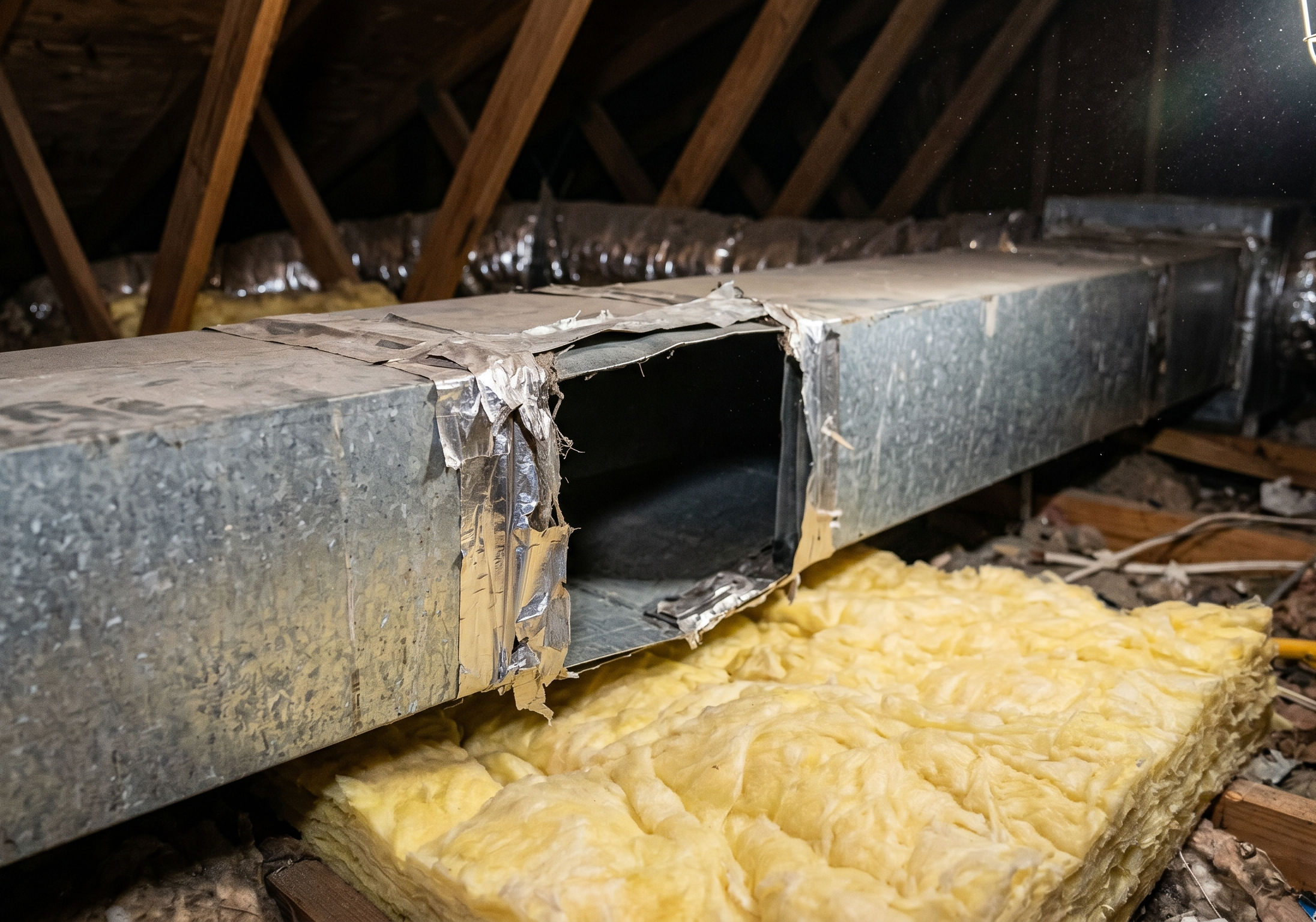
The reality is straightforward: leaky air ducts are never a good thing. Not for your energy bills, not for your equipment, and especially not for the air your family breathes every day.
TL;DR
Air duct leaks waste energy, overwork your HVAC system, and pull contaminants into your home’s airflow. If air is leaking out of your ducts, it’s also leaking in—and what comes in usually isn’t clean.
The Myth: “Duct Leaks Add Airflow and Aren’t a Big Deal”
The thinking behind this HVAC myth usually goes one of two ways. Some homeowners assume that leaking ducts are simply losing a little air that doesn’t matter much. Others believe that air escaping into a basement or utility space is actually conditioning those areas as a bonus.
Neither is true.
Your heating and cooling system was engineered to move a specific volume of conditioned air from the equipment through the ductwork and into your living spaces. Every cubic foot of air that escapes through a crack, gap, or poorly sealed joint before reaching its intended vent is air you paid to heat or cool.
Air Loss Goes Both Ways
Duct leakage isn’t a one-way street. When your system is running and pushing air through the ducts under pressure, conditioned air leaks out through gaps. But when the system cycles off, air gets pulled in from wherever those gaps lead.
In most homes, that means air is being drawn in from:
- Crawl spaces
- Attics
- Wall cavities
- Basements
These are not clean environments. They contain dust, insulation particles, mold spores, pest activity, humidity, and a range of other contaminants that have no business circulating through your living spaces.
That outside air then mixes with the conditioned air in your system and gets distributed through every vent in your home. Your air filter may catch some of it, but filters don’t compensate for contaminated air entering mid-system.
The result is a direct hit to your indoor air quality. For households with asthma, allergies, or respiratory sensitivities, this can hurt your ability to breathe easy.
What Duct Leakage Does to Your System
Beyond air quality, leaky air ducts create a chain reaction of problems throughout your entire HVAC system.
When conditioned air escapes before reaching supply vents, your thermostat takes longer to register that the home has reached the target temperature. That means longer run cycles. Longer run cycles mean higher energy bills every month.
That added strain also accelerates the kind of wear that leads to breakdowns. What starts as a small gap in your ductwork can quietly contribute to a much more expensive repair down the road.
We see this regularly on service calls across Cherry Hill and South Jersey. A system that seems to be running fine is actually working up to 50 percent harder because of duct leakage the homeowner wasn’t aware of.
Signs You May Have Air Duct Leaks
You may not be able to see inside your ductwork, but your home will give you signs worth paying attention to:
- Rooms that never seem to reach the right temperature
- Higher energy bills with no change in usage habits
- Excessive dust buildup on surfaces
- Musty or stale odors
- Uneven heating or cooling between floors or rooms
If any of these sound familiar, air duct repair or air duct sealing may be what your system needs.
What We Do About It
At Fresh Air Flow, our Cherry Hill-based technicians don’t guess at duct problems—we find them. An evaluation looks at where your ductwork runs, how it’s connected and sealed, and whether leakage is affecting system performance and air quality.
Depending on what we find, the solution may be targeted air duct sealing, more involved air duct repair, or in cases of significantly deteriorated ductwork, air duct replacement. We also recommend air duct cleaning when buildup inside the ducts is contributing to air quality concerns.
Air duct maintenance isn’t the most glamorous part of HVAC ownership, but it’s one of the best things you can do for your home’s air quality.
FAQs
How do I know if my air ducts are leaking?
The most common signs are rooms that won’t reach the right temperature, uneven heating or cooling between floors, energy bills that have risen without any change in usage, and excessive dust on surfaces shortly after cleaning.
Can I seal air ducts myself?
Minor leaks in accessible areas can be addressed with mastic sealant or metal-backed tape, but most ductwork runs through attics, wall cavities, and crawl spaces that are difficult to reach and inspect. Without pressure testing equipment, there’s no reliable way to know whether a DIY repair actually resolved the leakage.
How long does air duct sealing last?
Professionally sealed ductwork can last 10 to 20 years or longer under normal conditions.
Is air duct sealing worth the cost?
For most homes with measurable leakage, yes. The EPA estimates that the typical home loses 20 to 30 percent of conditioned air through leaky ducts. That ongoing waste makes the cost of professional sealing recoverable within one to two heating and cooling seasons for most homeowners.
Don’t Let Duct Leaks Go Unchecked
Leaky air ducts don’t fix themselves, and the longer they go unaddressed, the more they cost you—in energy, in equipment wear, and in air quality.
Fresh Air Flow serves Cherry Hill and the surrounding communities in South Jersey and the Greater Philadelphia area. We’re available 24/7, offer same-day service, and back our work with a two-year warranty on repairs. If you have concerns about your ductwork, give us a call to schedule an inspection.