
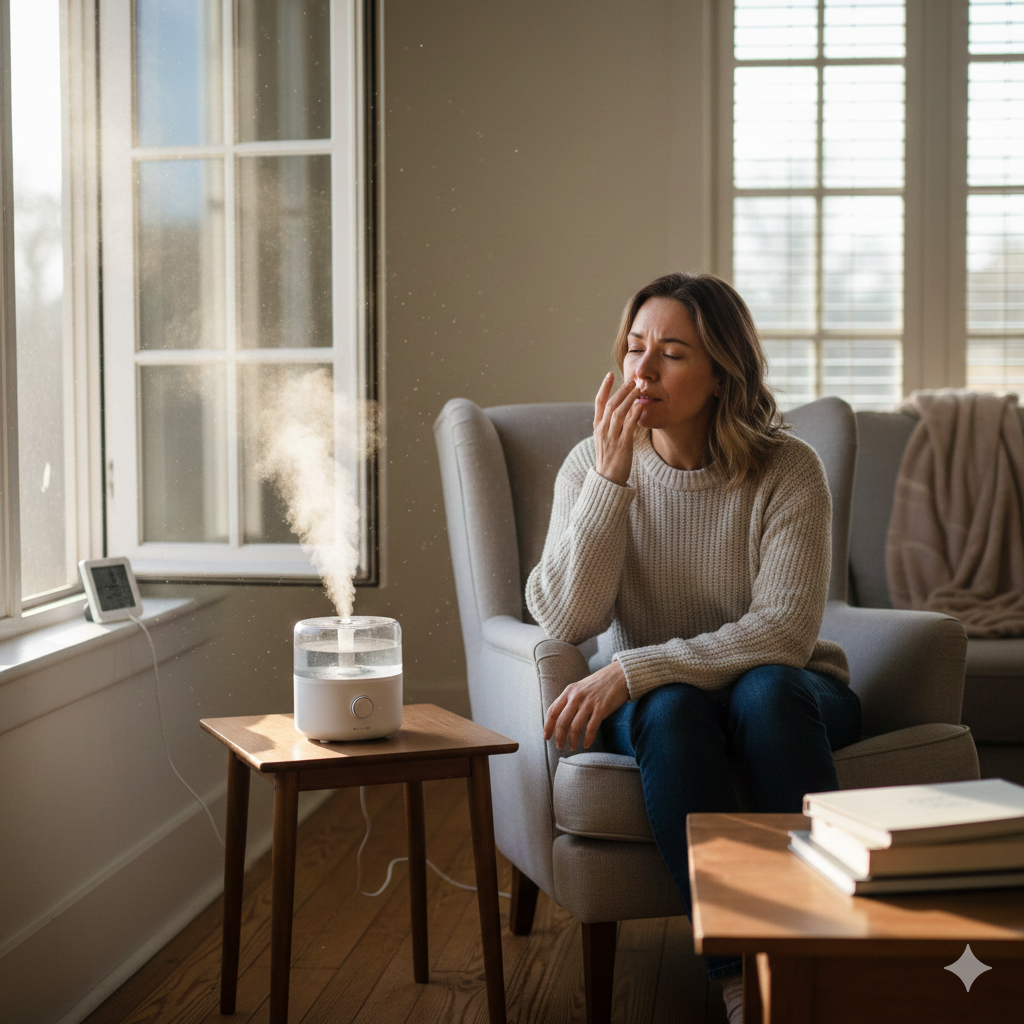
Improve Your Home’s Indoor Air Quality During the Dry February Days
Your home feels dry and dusty in February because nonstop heating dries out the air while sealed windows trap pollutants inside.
The problem usually isn’t the cold itself, even if you’re dealing with dry skin, congestion, or lingering odors.
Homeowners across Cherry Hill and surrounding New Jersey communities are all too familiar with the issues that winter brings to their home’s indoor air quality. That’s why Fresh Air Flow receives calls about indoor air quality every winter.
TL;DR
Indoor air becomes uncomfortable during February because constant heating dries the air. Common signs include lingering odors, congestion, dry skin, and static shocks.
Improving indoor air quality is possible through HVAC maintenance, humidifiers, air filter replacement, proper ventilation, and professional indoor air testing. Acting now keeps your South Jersey home healthy and comfortable all winter.
Key Takeaways
- Low humidity and trapped pollutants make homes feel dry and uncomfortable
- Dry eyes, congestion, and frequent dust indicate poor indoor air quality
- Maintaining 30-50% indoor humidity with a whole-home humidifier improves comfort and reduces airborne allergens
- HVAC maintenance is essential to prevent indoor air quality problems and system strain
- Ventilation is still important in winter, and using exhaust fans or installing energy-recovery ventilators to remove stale air without losing its heat
- Act now for comfort and health
Why Indoor Air Quality Gets Worse in February
February is the worst month for indoor air quality because your heating system has been running continuously for months, and your home has been closed up.
Dry Air Caused by Constant Heating
HVAC systems remove moisture from the air as they operate. Over time, this process pushes humidity levels below what’s comfortable or healthy.
Why this happens:
Cold outdoor air holds very little moisture, and heating it further dries it out.
What it affects:
Low humidity dries out your nasal passages and lungs, allowing dust, allergens, and viruses to stay airborne longer.
What gets worse if ignored:
- Cracking wood floors and furniture
- Increased sinus irritation and coughing
- More frequent allergy symptoms
- Excess static electricity throughout the home
Pollutants Get Trapped Indoors
During winter, windows and doors stay closed. Without fresh air exchange, pollutants build up instead of escaping, lowering overall indoor air quality.
Common winter indoor pollutants include:
- Dust and pet dander
- Mold spores from bathrooms and basements
- Cooking fumes
- Cleaning chemical vapors
- Combustion byproducts from gas appliances
Over time, these contaminants are pulled into your HVAC system and circulated throughout the house.
Signs Your Indoor Air Quality is Poor
Many homeowners assume winter discomfort is normal. It’s not.
Common Warning Signs Include:
- Dry throat, nose or eyes – especially in the morning
- Coughing or congestion that improves when you leave home
- Dust buildup near vents within days of cleaning
- Lingering odors after cooking or showering
- Frequent static shocks or unusually dry skin
If these symptoms persist through February, declining indoor air quality – not outdoor weather – is usually the cause.
What HVAC Technicians Notice Most in February
By late winter, the most common indoor air quality issue we see in South Jersey homes is a combination of very low humidity and restricted airflow. February service calls often reveal systems that haven’t had HVAC maintenance since early fall.
In homes throughout Camden County, Burlington County, and nearby Pennsylvania communities, we typically find:
- Indoor humidity levels below 30%
- Air filters clogged with fine dust and pet dander
- Blower compartments coated with debris that’s being circulated through the home
Homeowners often assume their symptoms are seasonal allergies, but in many cases, the real issue is dry, recirculated air that hasn’t been properly filtered or balanced. Once humidity and airflow are corrected, comfort usually improves quickly.
How to Improve Indoor Air Quality During Dry February Days
Maintain Healthy Indoor Humidity Levels
Balanced humidity is one of the most effective ways to improve winter indoor air quality.
Why it helps:
Proper humidity reduces airborne particles, supports respiratory comfort, and helps protect your home from dryness-related damage.
What works best:
A whole-home humidifier connected to your HVAC system provides consistent moisture throughout the house. Portable units can help individual rooms, but they don’t correct whole-home dryness on their own.
Using an indoor air quality monitor can help you track humidity levels and avoid over-humidifying, which can lead to condensation and mold.
Replace or Upgrade Your HVAC Air Filter
Your air filter directly affects the air you breathe.
What to do in winter:
- Check filters every 30-60 days
- Use pleated filters designed to capture fine particles
- Avoid filters that are too restrictive for your system
Why this matters:
A clogged filter restricts airflow, spreads dust, and forces your system to work harder. This shortens its lifespan and increases energy costs.
Schedule Winter HVAC Maintenance
February is the ideal time for professional HVAC maintenance because issues have had time to develop and become noticeable.
A proper maintenance visit typically includes:
- Cleaning dust from internal components
- Checking airflow and system balance
- Inspecting combustion safety and ventilation
- Verifying humidifier operation
Many indoor air quality problems are tied to restricted airflow or dirty components. These issues can be resolved with routine maintenance before they cause system damage.
Improve Ventilation without Losing Heat
Even in winter, homes need controlled fresh air exchange.
Effective options include:
- Using bathroom and kitchen exhaust fans consistently
- Ventilating during cooking and cleaning
- Installing a heat-recovery or energy-recovery ventilator in tightly sealed homes
Ventilation helps remove stale air and indoor pollutants without sacrificing comfort
Common Winter Indoor Air Quality Mistakes Homeowners Make
Even well-maintained homes can struggle in February due to a few common missteps.
Running a Humidifier without Monitoring Humidity
Adding moisture helps, but too much can cause condensation and hidden mold growth. An indoor air quality monitor helps keep humidity in a safe range.
Skipping Filter Changes because the System ‘Seems Fine’
Your furnace can still run normally while circulating dirty air. Filters that look ‘not too bad’ are often already restricting airflow.
Using Candles or Air Fresheners to Mask Stale Air
These products don’t fix air quality issues; they add more airborne particles and chemicals to already dry air.
Ignoring Ventilation because It’s Cold Outside
Fresh air exchange is still necessary in winter. Without it, pollutants build up quickly.
Consider Whole-Home Air Purification and Duct Cleaning
For homes with allergies, asthma, pets, or persistent dust, filtration alone may not be enough.
Whole-home air purifiers and professional duct cleaning can:
- Remove fine particles standard filters miss
- Reduce mold spores and bacteria
- Improve airflow and overall system efficiency
If symptoms persist even after filter changes and humidity control, indoor air quality testing can identify hidden issues like poor ventilation, combustion byproducts, and elevated particulate levels.
Why Improving February Indoor Air Quality Matters for Your Health
Clean, balanced air helps:
- Reduce allergy and asthma flare-ups
- Improve sleep quality
- Ease sinus and respiratory irritation
- Support immune health during cold and flu season
Since families spend more time indoors during winter, indoor air quality has a greater impact on health than many homeowners realize.
What Should You Do Next?
If your home is uncomfortable indoors this February:
- Replace your HVAC air filter
- Monitor humidity with an indoor air quality monitor
- Use a humidifier if humidity is below 30%
- Schedule HVAC maintenance
- Consider indoor air quality testing if symptoms persist
Addressing these issues now improves comfort immediately and helps protect your HVAC system through the rest of winter.
FAQs
How do I know if my indoor air quality is bad?
Poor indoor air quality often shows up as a combination of physical symptoms and environmental signs.
These include:
- Dry air symptoms
- Frequent dust buildup
- Lingering odors
- Breathing irritation
An indoor air quality monitor or professional indoor air quality testing can provide more precise answers. For the most accurate assessment, professional indoor air quality testing can detect hidden issues such as mold spores or poor ventilation that you may notice on your own.
Is dry winter air bad for your health?
Yes, especially when indoor humidity drops below 30%. When this happens, it increases allergy symptoms, respiratory problems, and the spread of airborne viruses.
Dry air can also dry out your skin, hair, and eyes, making you more susceptible to viruses that spread more easily in low-humidity environments.
These conditions also allow dust, allergens, and other pollutants to remain airborne longer, lowering overall indoor air quality.
How often should HVAC maintenance be done?
HVAC systems should be professionally serviced at least once a year. For South Jersey homes, a winter check is particularly important because continuous heating during cold months can lower indoor air quality.
Your technician will check indoor air quality, inspect filters, verify humidifier operation, clean internal components, and ensure ventilation is functioning properly.
Can indoor air quality improve without replacing HVAC equipment?
Yes. filter upgrades, humidity control, HVAC maintenance, ventilation improvements, and duct cleaning often make a noticeable difference without replacing equipment.
Many indoor air quality problems can be resolved with simple, cost-effective measures such as:
- Replacing or upgrading air filters
- Using a humidifier to maintain optimal indoor humidity
- Implementing better ventilation practices
- Scheduling professional HVAC maintenance
- Adding whole-home air purification
Improve Your Home’s Air Before Spring with Fresh Air Flow!
If you are worried about your home’s indoor air quality, don’t wait until spring to fix it. Schedule a professional HVAC maintenance visit with Fresh Air Flow today!
Our team will inspect your system, check humidity levels, and ensure your humidifier is optimized.
Protect your South Jersey home today and breathe easier all winter long with our expert team. Call now!