HVAC Building Codes Explained (And Why They Matter for Your Home)
If you’ve ever had a contractor quote you for an HVAC installation and mention pulling permits, you may have wondered whether that step is necessary or just an extra expense.
At Fresh Air Flow, we work with homeowners throughout Cherry Hill and the surrounding South Jersey and Greater Philadelphia area every day. HVAC building codes and permit requirements are something we take seriously.
Here’s what you need to know about HVAC regulations, why they exist, and what happens when they’re ignored.
TL;DR
HVAC building codes are legally required standards that govern how heating and cooling systems are installed, repaired, and inspected. In New Jersey and Pennsylvania, these codes protect homeowners from safety hazards, system failures, and costly violations.
Key Takeaways
- Permits are required for most HVAC installations and major replacements
- Uninspected or non-compliant work can void manufacturer warranties, affect home sales, and create safety risks
- Always verify your contractor is licensed to work in your state before any job begins
What Are HVAC Building Codes?
HVAC building codes are sets of standards that dictate how heating, cooling, and ventilation systems must be designed, installed, and maintained. They exist to protect you from fire hazards, carbon monoxide, improper electrical work, and systems that don’t perform safely.
In New Jersey, HVAC work falls under the New Jersey Uniform Construction Code (UCC), which is enforced at the local level by municipal construction offices. Cherry Hill and other Burlington and Camden County municipalities each have their own building departments responsible for permit issuance and inspection scheduling. Most local codes reference and align with national standards.
You can explore New Jersey’s construction code framework through the New Jersey Department of Community Affairs.
HVAC regulations cover everything from refrigerant handling and electrical connections to duct sizing and equipment clearances. When a contractor follows these codes, your system is built to last.
Why HVAC Permit Requirements Exist (and Why They Protect You)
Many homeowners assume that permits are just red tape. That misunderstanding is one of the most expensive mistakes we see. Permit requirements exist because improperly installed systems create dangers like:
- Carbon monoxide leaks
- Electrical fires
- Refrigerant leaks
- Structural issues
When a permit is pulled and the work is inspected, a licensed third party verifies that everything was done in accordance with installation requirements. That verification protects you, your family, and your investment. When a permit is not pulled, none of that protection exists.
What Requires a Permit in New Jersey?
Not every HVAC service requires a permit, but most installations and major replacements do. Here’s a general breakdown of what requires a permit in New Jersey:
| Usually requires a permit: | May not require a permit: |
| New HVAC system installation | Routine maintenance (filter changes, tune-ups, coil cleaning) |
| Full system replacement | |
| Ductwork additions or major modifications | Like-for-like component replacements in some jurisdictions |
| Installation of new mini split systems | |
| Adding equipment to an existing system | Thermostat swaps and minor repairs |
Every municipality is different. In Cherry Hill, for example, permit requirements are enforced through the township’s Construction and Inspection Department. When Fresh Air Flow installs a new system in your home, we handle all the paperwork and coordinate with your local building office.
What HVAC Inspection Requirements Look Like
Once a permit is issued, work must be inspected before it’s considered complete. Requirements vary by jurisdiction. In New Jersey, they generally include:
- A rough inspection before walls are closed, or equipment is connected
- A final inspection once the system is operational and all connections are made
- Documentation that the contractor is licensed and the equipment meets efficiency standards
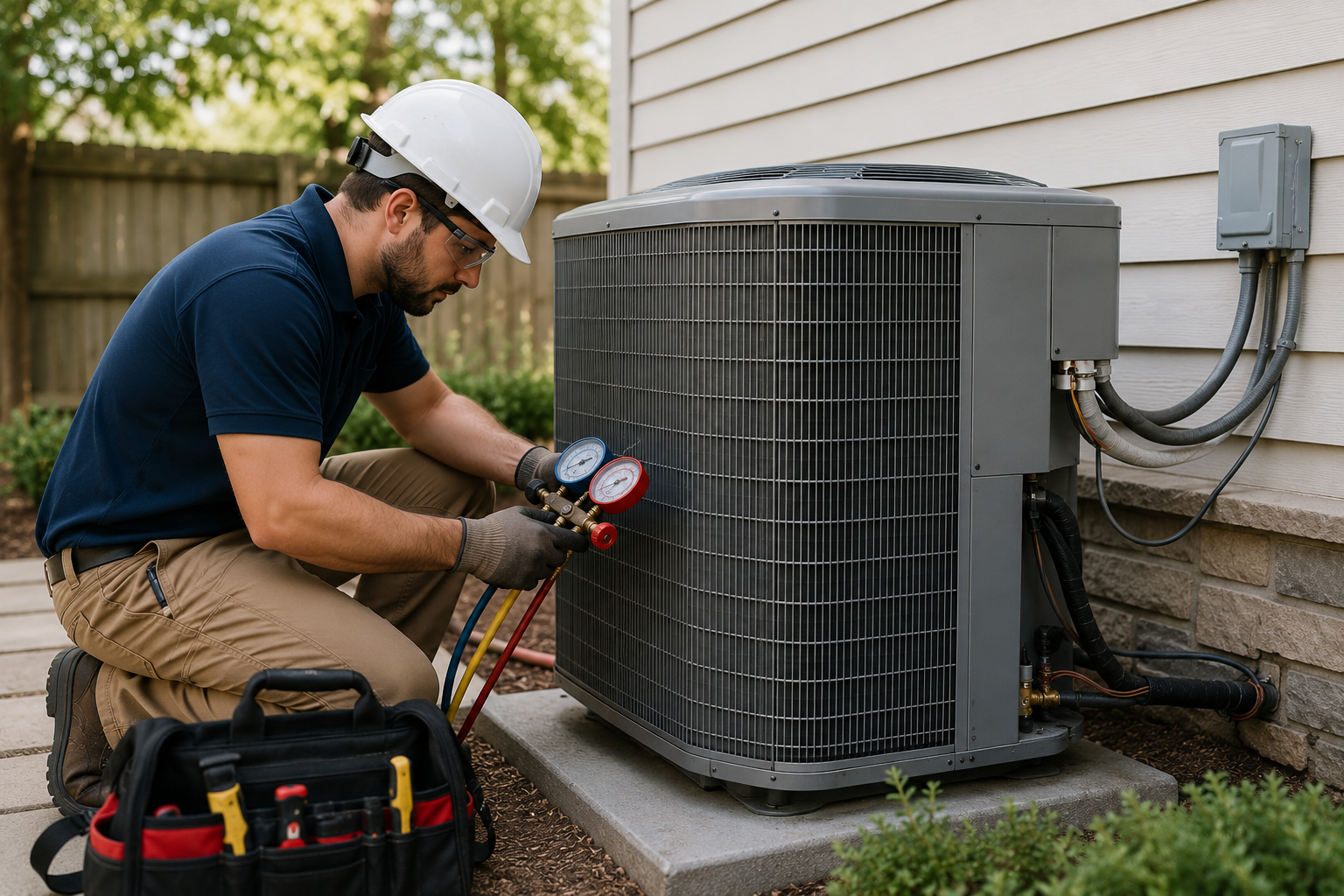
An inspector will look for things like proper refrigerant line sizing, correct electrical connections, adequate clearances around the unit, and compliant venting for combustion appliances. They’re not trying to make your life harder. They’re making sure the work meets the minimum safety threshold.
The Real Cost of HVAC Code Violations
Skipping permits or hiring a contractor who cuts corners on HVAC compliance might feel like a way to save money upfront. In reality, correcting code violations is more expensive than doing things right the first time.
Here’s what we’ve seen happen to homeowners who inherited non-compliant work:
- Your warranty may be void
- It can derail a home sale
- Safety issues become your liability
How Regulations Are Changing in New Jersey
Regulations continue to evolve, especially around energy efficiency. New Jersey has been tightening its standards in line with federal energy policy and the state’s Clean Energy Program.
Recent and ongoing changes that homeowners across South Jersey should know about include:
- Refrigerant transitions: The industry is phasing out older refrigerants like R-22 and transitioning to lower-GWP (global warming potential) alternatives.
- Efficiency minimums: Federal SEER2 (Seasonal Energy Efficiency Ratio) standards took effect in 2023, raising the minimum efficiency requirements for new equipment. Installing non-compliant equipment is an HVAC code violation in most jurisdictions.
- Ventilation standards: As homes become more airtight, mechanical ventilation requirements have become more important. ASHRAE 62.2 standards govern residential ventilation and are increasingly being adopted at the local level.
As a Carrier Factory Authorized Dealer and two-time Carrier Presidential Award winner, Fresh Air Flow only installs equipment that meets or exceeds current HVAC installation requirements. We don’t carry inventory that’s going to create compliance headaches for you down the road.
What to Look for in a Code-Compliant HVAC Contractor
Not every contractor operates with the same standards. Before you hire someone to touch your HVAC system, here’s what to verify:
- State licensing: In New Jersey, HVAC contractors must be licensed through the Division of Consumer Affairs. Fresh Air Flow is licensed to work in both NJ and PA.
- Permit history: Ask directly whether your contractor pulls permits for installations.
- Certifications: NATE certification means a technician has passed rigorous, independent testing on HVAC systems. Our team holds NATE certification, and we also hold BPI (Building Performance Institute) certification.
- Background screening: We handpick every technician on our team. That means detailed background checks, drug screenings, and ongoing training.
Fresh Air Flow started with one truck and has grown to serve a large part of South Jersey and the Greater Philadelphia area. That growth happened because we do things the right way.


FAQs
Do I need a permit to replace my HVAC system in Cherry Hill?
In most cases, yes. A full system replacement requires a permit from Cherry Hill Township’s Construction and Inspection Department. If you’re unsure whether your specific job requires a permit, we’ll walk you through it.
What happens if my HVAC was installed without a permit?
Unpermitted HVAC work can void your equipment warranty, create problems when selling your home, and leave you liable if the system causes damage or injury. Depending on your municipality, you may be required to either remove and reinstall the equipment with proper permits or pay fees to retroactively legitimize the work.
How do I know if my contractor is following HVAC codes?
The clearest indicator is whether they pull permits. A compliant contractor will always obtain the required permits before work begins and welcome final inspections. You can also verify a contractor’s license status through the New Jersey Division of Consumer Affairs. Look for NATE certification and check that they carry proper insurance.
Will following building codes make my HVAC installation more expensive?
Pulling permits and scheduling inspections does add a small administrative cost to any installation, but it protects you in the long run. The cost of HVAC code violations—including warranty invalidation, home sale complications, or safety hazards—exceeds the permit fee.
Schedule Your HVAC Installation or Inspection with Fresh Air Flow
If you’re planning a new HVAC installation, replacing aging equipment, or just want to make sure your current system was installed correctly, Fresh Air Flow is here to help. We serve Cherry Hill and communities across South Jersey and the Greater Philadelphia area with the kind of service that starts with doing things by the book.
Contact us today to schedule a consultation or get answers to your code and permit questions.